
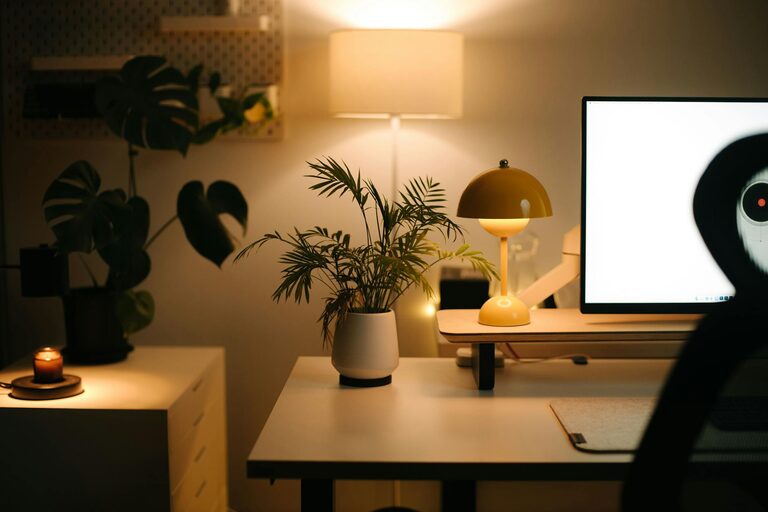
Creating a home office that balances coziness with productivity can transform the way you work. Whether you’re new to remote work or setting up a dedicated space for your projects, designing an environment that inspires focus while feeling comfortable is key. This post offers practical tips to help you build a home office that supports your best work habits and well-being.
Choose the Right Location
Finding the ideal spot for your home office is the first and most important step.
Consider Natural Light
Aim to set up your desk near a window if possible. Natural light not only brightens the space but can also boost your mood and energy. However, watch out for glare on your screen and adjust the desk position or use curtains as needed.
Minimize Distractions
Select a quiet area away from high-traffic zones. This could be a spare bedroom, a corner in the living room, or even a loft space. The goal is to reduce background noise and interruptions.
Invest in Ergonomic Furniture
Comfortable furniture helps prevent fatigue and physical discomfort during long work hours.
Choose a Good Office Chair
Look for a chair that supports your lower back and allows adjustments for height and tilt. Features like adjustable armrests and breathable materials add to the comfort.
Opt for a Functional Desk
Your desk should have enough surface area for your computer, paperwork, and any tools you frequently use. Consider adjustable desks if you want the option to alternate between sitting and standing.
Organize Your Space Efficiently
An organized workspace saves time and reduces stress.
Use Storage Solutions
Shelves, drawers, and desk organizers keep supplies tidy and easy to find. Label containers or use clear bins to maintain order.
Keep Cables Under Control
Tangled cables create clutter and can be distracting. Use cable clips, sleeves, or cable management boxes to keep cords neat and out of sight.
Incorporate Personal Touches
Adding elements that make you feel comfortable and inspired helps create a cozy atmosphere.
Add Plants
Indoor plants improve air quality and bring a natural, calming vibe to your office. Choose low-maintenance varieties like snake plants or pothos.
Decorate Thoughtfully
Use artwork, photos, or motivational quotes that resonate with you. Don’t overcrowd the space—select a few pieces that make you happy and focused.
Optimize Lighting
Good lighting reduces eye strain and enhances your productivity.
Combine Natural and Artificial Light
Use a mix of overhead lighting and task lamps. Adjustable desk lamps with warm or neutral light are ideal for working without harsh glare.
Avoid Screen Reflections
Position monitors to minimize reflections from windows or lights. Anti-glare screen protectors can also help.
Create a Dedicated Tech Setup
Your technology should support smooth work without frequent technical issues.
Ensure Reliable Internet
A strong internet connection is essential. Position your router nearby or use a wired Ethernet connection for stability.
Organize Your Electronics
Keep your computer, printer, and other devices within easy reach. Use charging stations to manage your gadgets efficiently.
Establish Boundaries and Routine
A well-designed office supports not just physical work but mental focus too.
Set Clear Work Hours
Treat your home office like an outside workspace by having regular start and end times. This helps separate work from personal life.
Minimize Non-Work Items
Keep distracting items out of sight during work hours to stay focused. At the end of the day, closing your laptop and tidying up signals the shift to downtime.
Maintain Comfort with Temperature and Air Quality
A comfortable environment boosts concentration.
Control Temperature
Use fans, heaters, or air conditioning to keep the room at a pleasant temperature.
Ensure Fresh Air
Ventilate the space regularly or use air purifiers if needed. Good air quality is crucial for staying alert.
Final Thoughts
Designing a cozy and productive home office is about creating a space that supports your work goals while making you feel good throughout the day. By focusing on location, furniture, organization, lighting, and personal comfort, you can build an environment where creativity and efficiency thrive. Take time to personalize and adjust your setup as you learn what works best for you. Happy working!