
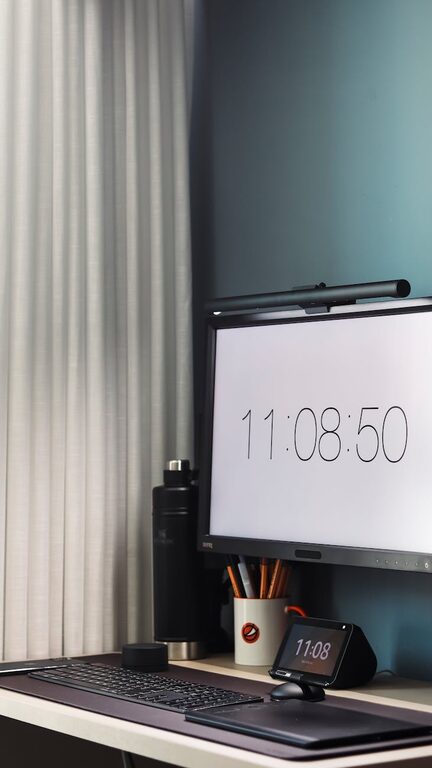
Creating a well-organized workspace can have a significant impact on your productivity and creativity. Whether you work from home or in an office, the way you arrange your environment influences how efficiently and imaginatively you tackle your tasks. In this post, we’ll explore practical tips to help you organize your workspace to boost focus and inspire creative thinking.
Why Organizing Your Workspace Matters
Before diving into specific tips, it’s helpful to understand why workspace organization matters. A cluttered or chaotic environment can cause distractions, increase stress, and make it difficult to focus. Conversely, a tidy and thoughtfully arranged space can:
– Reduce distractions and decision fatigue
– Make important tools easily accessible
– Encourage positive habits and routines
– Create a more inviting and inspiring atmosphere
Now, let’s discuss how you can achieve that.
1. Clear Your Desk and Declutter Regularly
Start with a clean slate. Remove everything from your desk and only put back what you truly need.
How to declutter:
– Sort items into categories: keep, relocate, or discard
– Remove unnecessary paperwork or supplies
– Use digital tools to reduce paper clutter, such as scanning documents
– Schedule regular decluttering sessions (weekly or monthly)
Keeping your desk clear helps you focus on the task at hand and prevents overwhelm.
2. Define Zones for Different Activities
Designate specific areas on your desk or in your workspace for particular tasks or items.
Examples of zones:
– Computer and keyboard, positioned directly in front of you
– Writing or note-taking area with necessary supplies
– Reference materials like books or manuals
– Personal or creative items to inspire you
Defining zones helps you quickly find what you need and mentally separates different types of work.
3. Use Storage Solutions Wisely
Proper storage keeps your workspace neat and your tools within reach.
Storage tips:
– Use drawer organizers for small items like pens and clips
– Utilize shelves for books and binders
– Employ cable organizers to manage cords and wires
– Consider using desk trays to separate incoming and outgoing documents
Choose storage solutions that match your style and workflow to keep your space functional.
4. Personalize Thoughtfully
Adding personal touches can make your workspace more welcoming and boost creativity.
Ideas for personalization:
– Display inspiring quotes or artwork
– Add plants for a touch of nature and improved air quality
– Use colorful accessories that uplift your mood
– Keep a photo or memento that brings positive energy
Remember, personalization should not create clutter. Balance is key.
5. Optimize Lighting
Good lighting is essential for comfort and creativity.
Lighting suggestions:
– Maximize natural light by positioning your desk near a window
– Use adjustable desk lamps to reduce eye strain
– Choose warm or neutral light tones for a calming effect
– Avoid harsh overhead lighting that creates glare
Proper lighting supports sustained focus and reduces fatigue.
6. Maintain Ergonomics
An ergonomic workspace keeps you comfortable and prevents physical strain, which in turn helps you stay productive.
Ergonomic tips:
– Adjust your chair and desk height so your feet rest flat on the floor and your elbows are at a 90-degree angle
– Position your monitor at eye level to avoid neck strain
– Use a keyboard and mouse that suit your hand size and movement
– Take short breaks to stretch regularly
Comfortable seating and posture reduce distractions caused by discomfort.
7. Incorporate Creative Tools and Materials
If your work involves creative thinking, having the right tools ready can inspire ideas.
Creative workspace enhancements:
– Keep a sketchpad, sticky notes, or whiteboard nearby for brainstorming
– Use colorful markers or pens to visualize ideas
– Have a mood board or idea wall to collect inspiration
– Listen to background music or ambient sounds, if that helps you focus
Having creative resources close at hand encourages spontaneous innovation.
8. Establish a Routine for Tidying Up
End your workday by organizing your space for the next day.
How to build a tidying routine:
– File or discard papers from the day
– Put away tools and gadgets in their designated spots
– Wipe down your desk surface
– Plan your tasks or priorities for tomorrow
This small habit sets you up for a productive start and reduces procrastination.
Conclusion
A well-organized workspace doesn’t have to be complicated or expensive. By decluttering, defining zones, using smart storage, personalizing thoughtfully, ensuring proper lighting and ergonomics, and nurturing your creative side, you can create an environment that supports better focus and inspires fresh ideas. With these tips in place, your workspace will be a welcoming and efficient place to do your best work every day.